Probably the most common question posed to numismatic clubs and organizations is “What’s it worth?” often followed by “How do I sell it?” especially if it’s part of an estate. We’ll deal with selling in more detail in another article and concentrate on valuation and appraisal here.
As noted on our Resources page, “Once your coins have been identified, sorted and graded, you can consult price guides to determine their retail value (keep in mind that wholesale will be less). Free guides available from the major grading companies include the PCGS Coin Price Guide, the NGC US Coin Price Guide and the NGC World Coin Price Guide.” Other guides such as the annual Red Book are inexpensive and widely available. There’s also a Blue Book if you prefer to jump directly into wholesale values.
But let’s take a couple steps back and first ask about the purpose of the appraisal. If it’s for insurance, you’ll likely want to appraise at retail replacement cost, describing the material accurately and completely. If it’s for probate, an appraisal at low wholesale may be acceptable to reduce taxes but consult with an attorney first. If it’s with the intention of selling the items, then the appraisal should reflect “best wholesale” or auction expectation. Starting with the widely available retail price guides is fine, but at some point, you’ll likely need to take the retail to wholesale spread (which can be quite large) into account. Even for major auctions of quality material, the buyer’s fee is likely to be 20% or higher, and there may be a seller’s fee as well. The spread may be less on some material such as gold bullion coins.
Stepping back again, you may have noticed the key words regarding identification, sorting and grading. It’s hard to over-emphasize these! If it really is your personal collection, then hopefully you have good records of coin descriptions, grades, purchase prices, etc., and hopefully your collection is well-organized and stored properly. That’s a great start. If your coins are certified and graded by a major third-party service such PCGS or NGC, then you can track their retail value using the price guides mentioned above. If you want to research auction prices realized, you can use Heritage Auctions (ha.com) and/or one of the other major auction firms.
But what about uncertified (“raw”) coins, along with other kinds of numismatic items such as tokens and medals, which are often not “slabbed?” Were they properly identified and graded? Did I overpay for any of them? Worse, are any of them counterfeit or altered? If you only buy items and never try to sell them, you might not find out until years later. My recommendation is to offer items for sale occasionally (or at least ask for opinions from dealers and fellow collectors), and of course, nowadays, you should strongly consider always buying certified coins when the price exceeds a certain amount.
But now, what if it wasn’t your personal collection, but instead was an estate or items otherwise obtained from a friend, family member, etc. Chances are you may not even be a collector, and you may not know where to begin. According to the ANA, “Trying to sell coins with no background knowledge can be a very frustrating experience. It is always best to try and learn the approximate value of your coins before offering them for sale.” You can find this and much more in my “Introduction to Numismatics” presentation on our Resources page. This presentation makes reference to useful ANA publications, including a guide to numismatic estates.
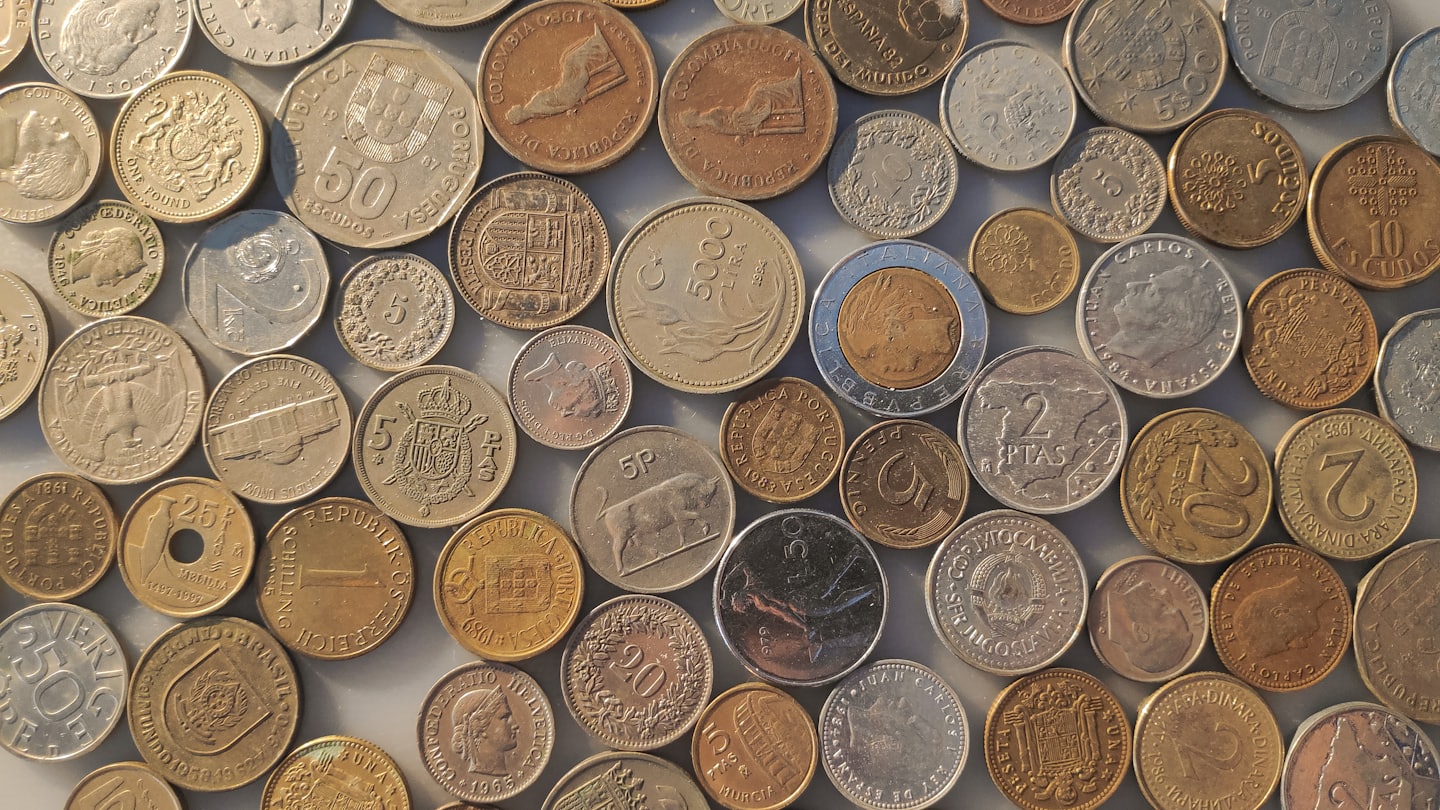
If you need to, get some help from your local coin club regarding identification, sorting and grading. For U.S. coins, the annual Red Book (Guide Book of United States Coins) provides much important information to assist you, including general grading guidelines for each type of coin. Try to get an idea if your coins are mostly common (such as most Lincoln cents), might at least be worth bullion value (like silver dimes, quarters and halves dated 1964 and earlier), or might possibly have a higher collector value (like 19th century or early 20th century coins in better condition). Consider buying new holders (such as 2×2 flips) to protect your coins if needed. Low value coins in quantity (like all those 1940s and 1950s wheatear cents) can go into rolls or tubes. Be sure to separate world coins and non-coins such as tokens and medals. Most of those items won’t be worth much, especially if they’re modern world coins with no bullion value, but you can consult with a knowledgeable collector or dealer before deciding if they can simply be donated. (The PNNA, for example, gives out low-value world coins to visitors at various shows and events.) For tokens, also check the online token catalog at https://tokencatalog.com/. For world coins, the above-mentioned NGC World Coin Price Guide (which dates back to the old paper-format Standard Catalog of World Coins) is now free, but you do need to know some information first, including the country identification, to use it.
And, if you are fortunate enough (or maybe not) to have inherited a large estate with lots of coins and other collectibles, you may need to arrange and pay for a professional appraisal. Typically, this will be done by a professional numismatist (often a coin dealer) who can also make an offer for your collection if desired. Your local coin club may be able to recommend who to contact in your area.
Enough said for now? You may still have questions and need more advice, so feel free to contact the SCC and attend one of our monthly meetings to learn more and perhaps get a preliminary opinion about a few of your items.
Leave a Reply
You must be logged in to post a comment.