If you’re new to collecting, before reading this post, consider reading my other post about “Starting Your Journey into Rare Coin Collecting.” Then check out the PNNA reference section, where you’ll find some articles I’ve written about topics such as “coin buying and selling,” and “collecting vs. investing and market trends.”
From my PNNA article on investing:
“Collectibles are a much different kind of investment than stocks and bonds. Collectibles do not produce monetary interest or dividends; they have value only because of limited supply combined with demand from collectors who appreciate their historical, artistic or other merits.”
I’m a longtime numismatist but not a professional dealer. If you’re a serious investor, you’ll want to consult with professional numismatists, just as you would consult with a professional financial advisor for stocks and bonds. The rare coin and currency market is now a sophisticated multi-billion-dollar market, but since most coin investors want to be personally involved with their coins and their history, etc., you won’t find nearly as many independent advisors and mutual funds as you will in stocks and bonds. It’s probably not a good idea to simply leave it to someone else to build your portfolio, and you wouldn’t enjoy the hobby if you did.
The article I wrote about market trends on the PNNA website touches on a lot of the market changes that have taken place over the past 75 years or so. For example, in the 1950s and 1960s, U.S. coin collecting became very popular, but the market was nonetheless small by today’s standards, and there were no certified coins. In the 1980s, we saw the introduction of third-party graded coins encapsulated in plastic slabs, with temporary speculative price increases for many high quality (but not necessarily rare) slabbed coins. The 1990s weren’t so great either – the internet created lots of new companies and higher stock prices, but coin prices remained fairly flat (often well below 1980’s peak values). But things have gotten better for numismatic and bullion investments since 2000 or so for a number of reasons, including the introduction of new coin designs from the U.S. Mint and other world mints. And the “slabs” have more or less taken over the serious investor market.

The authentication and grading companies (who encapsulate coins in these slabs) can also be very useful in researching market trends over the years. For example, PCGS has market indices which are similar to stock market indices. See https://www.pcgs.com/prices/coin-index/pcgs3000 to get started. While you’re at it, be sure to also review the population reports for the coins you may want to include in your collection or portfolio. For older coins, if the population in a certain grade is still low, it probably will never get much larger, barring the discovery of some unexpected hoard of quality coins. But for newer coins, there may still be a lot of near-perfect ungraded coins out there (for example in U.S. Mint packaging), so be aware of that and think twice before investing money in modern MS-70 coins.
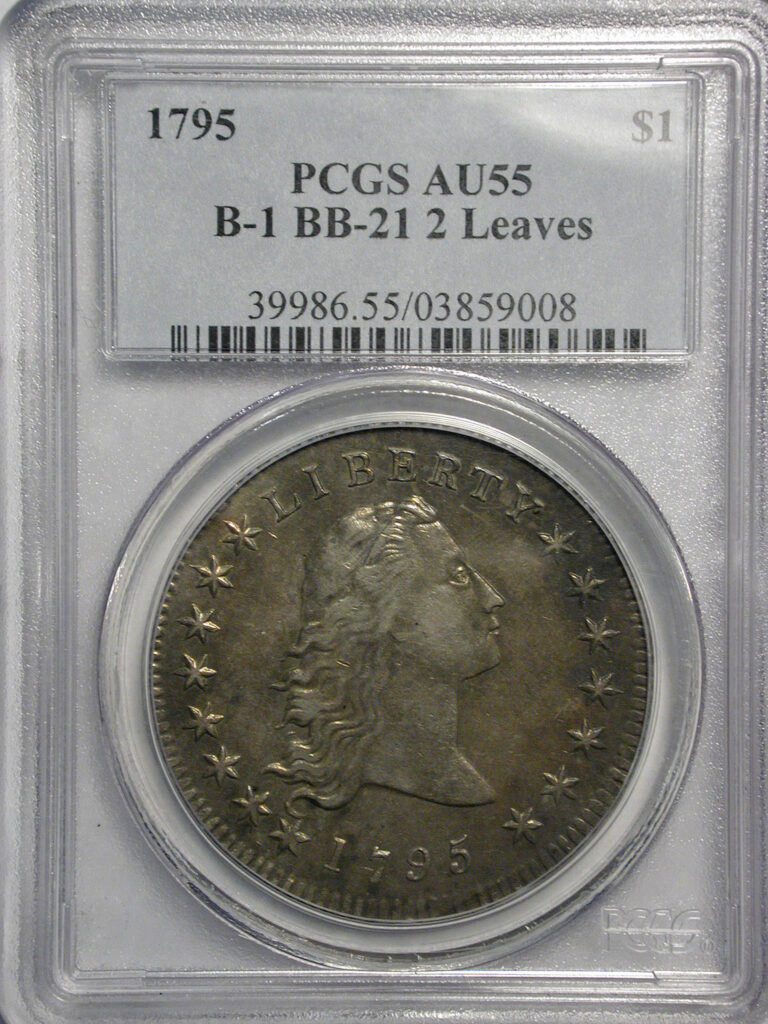
By the way, the 1795 Silver Dollar pictured above and graded AU-55 by PCGS? – It sold for $4,400 as a “raw” coin in 1997, for $19,000 in 2007, but is now worth $47,500, according to PCGS.
All serious collectors and investors should also take advantage of online auction price records, even if you don’t plan to buy or sell at auction. The auction records of a major firm such as Heritage (ha.com) are valuable for general research (for example, because they sell so many different types of items) as well as for the pricing records, which can help you determine if a particular coin has increased significantly in value in recent years. You will need to register, but it’s free.
And some not-quite final words from my PNNA article:
Some advice I’ve given before: Diversification by including classical U.S. coin designs and types, world coins, and perhaps other numismatic items such as tokens and medals, might seem advisable.Why not-quite final? Well, I did say in my other blog post that Seattle merchant tokens would be a bad investment idea, and that remains true. But there are rarer and more historical tokens and medals, for example from the U.S. colonial period, which could be considered in a serious investment portfolio, and most of them can now be certified and graded. The same is true of some historical world coins and ancient coins. But historical U.S. coins (and some U.S. paper money as well) are likely to remain popular and be less subject to price swings due to ups and downs in popularity compared with some other antiques.
Leave a Reply
You must be logged in to post a comment.